★ Exclusive · Influencer Profiles
The Influencer Economy Is Eating Sports Media
Three creators with 10M+ combined followers explain why traditional sports media is losing the next generation — and what the new playbook actually looks like.
Jay Pernell · May 29 · 8 min read
$250BCreator Economy Value
4×Faster Growth vs. Traditional Media
47%Brands Increased Creator Spend in 2025
Something broke in sports media — and most outlets are still pretending it didn't happen. In November 2024, creator media eclipsed corporate media for the first time in tracked history. Not in niche categories. Not in youth demos. Across the board. The biggest ad platforms on earth are creator-driven now, and the gap is widening every quarter.
Goldman Sachs puts the creator economy at $250 billion annually. U.S. advertising spend on influencers alone reached $37 billion in 2025 — up 26% year-over-year, a growth rate four times faster than the overall media industry. Traditional sports networks are watching those dollars walk out the door in real time, and the names taking them aren't ESPN or Bleacher Report. They're individual people with cameras, YouTube channels, and audiences that actually trust them.
What the Numbers Are Hiding
The framing around "influencer vs. traditional media" misses the sharper point. This isn't about formats or platforms. It's about trust architecture. When 20% of U.S. adults now get their news from influencers — including sports news — the question isn't whether the transition is happening. The question is who owns the trust relationship with the next generation of fans.
Creator Media Momentum — Key Indicators
Fan Trust (Creators)
82%
Gen Z Creator Preference
78%
Brand Creator Investment
74%
Wembley Stream — Sidemen 2025
18M+ Streams
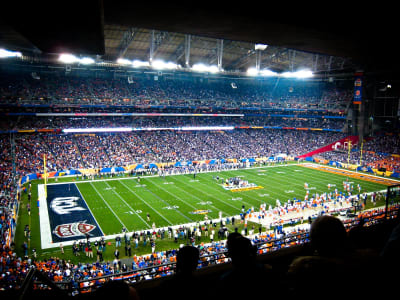
The Sidemen Charity Match in 2025 is the clearest data point on the table. The fixture sold out Wembley's 90,000 seats in three hours — faster than most professional sporting events — and drew over 18 million streams. Peak concurrent viewership hit 2.8 million. The athletes weren't elite. The production wasn't broadcast-level. But the audience showed up anyway, because the creators behind it had built something more durable than a broadcast deal: a community that actually cared.
"We're entering a phase where social is no longer the final destination — it's just the entry point. The brands winning in 2026 treat creators as strategic inputs to their entire ecosystem."
— NetInfluencer Creator Economy Report, 2025
Who's Actually Winning
The creators positioned to win aren't the ones chasing virality. They're the ones who understood early that audience ownership — not platform reach — is the only metric that compounds. The three profiles below represent different entry points into the same fundamental thesis: that sports media's next era belongs to individuals who build trust before they build brands.
Taylor Rooks @TaylorRooks 4.2M Combined Following Built her platform through access-driven athlete interviews. She pioneered the model that athletes now seek out — not a press credential, a real conversation.
Draymond Green @Money23Green 3.1M Podcast Subscribers Turned his own controversy into a media business. The Draymond Green Show proved athletes don't need media companies — they are media companies now.
Overtime @overtime 70M+ Across All Platforms Built the blueprint for youth sports as content. Their OTE league doesn't just cover athletes — it owns their stories from age 16 forward.
The Trust Deficit Traditional Media Can't Fix
The structural problem for legacy sports media isn't distribution — it's that the trust relationship was never theirs to begin with. Networks built audiences around teams and leagues. Creators built audiences around themselves. When Gen Z discovered that athletes were more honest talking to a creator with a camera than sitting across from a network correspondent, the credibility transfer happened fast and it isn't reversing.
Younger generations consume more creator media versus corporate media — and not as a temporary preference. It's a permanent recalibration of who they believe. That's not a demographic trend traditional sports media can out-produce its way past. The product being delivered isn't better highlights or faster breaking news. It's access, authenticity, and the sense that the creator giving you this content actually cares about the athlete as a person, not a storyline.
"Younger athletes are recognizing the power of content creation early in their careers. Deals are getting shorter and are being built around Instagram, YouTube, and podcasts — not press cycles."
— Britt St. George, CEO at Smith&Saint
What Comes Next
The creator economy in sports isn't a bubble. It's the natural evolution of what happens when the tools for distribution democratize and trust becomes the only scarce resource. The outlets, shows, and storytellers who survive this shift won't be the ones with the biggest production budgets. They'll be the ones athletes actually want to talk to — and the fans actually choose to follow.
That's not a small distinction. It's the entire ballgame.
Creator Economy Sports Media Athlete Branding Gen Z Influencer Profiles